
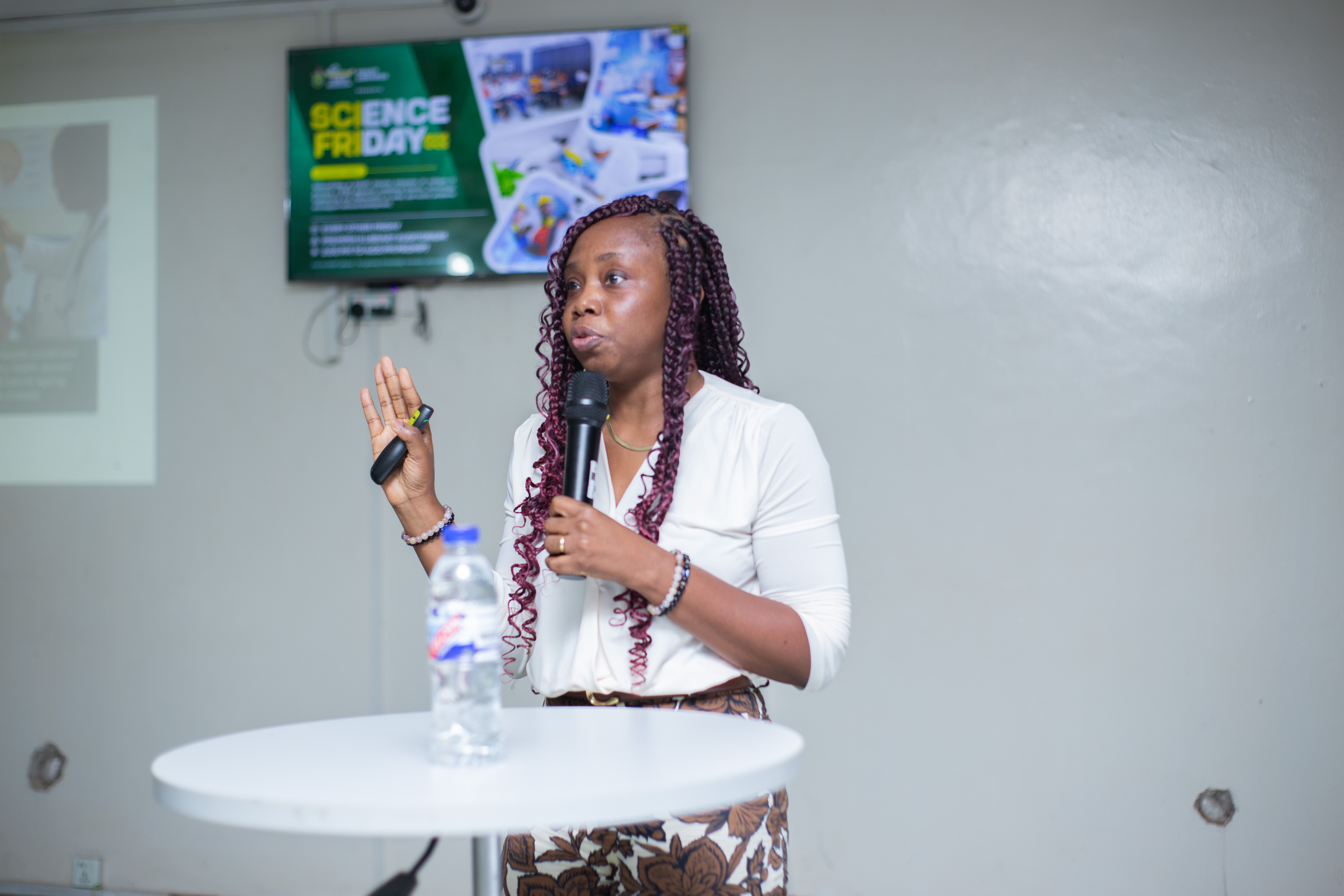
Professor Priscilla Kolibea Mante of the Department of Pharmacology at the Kwame Nkrumah University of Science and Technology, Kumasi (KNUST) has called for greater attention to brain health as a public health priority, citing gaps in neurological health data, specialised services and trained professionals in Ghana.
“There’s a data gap. So, we don’t have the numbers. I can’t give you one single number that covers the neurological burden in Ghana,” she said.
Professor Mante made the call at the ninth edition of KNUST Libraries' ScienceFriday, held under the theme, “Brain Health is Public Health.”
The programme examined the growing burden of neurological conditions, challenges facing Ghana’s healthcare system and emerging research into the relationship between the brain, gut, immune system and drug treatment.
Professor Mante urged the university community to broaden its understanding of brain health and recognise the social, environmental and health-system factors that influence neurological conditions.
“Brain health is dynamic and is highly susceptible to other factors including social and environmental factors,” she said.
She highlighted the economic impact of neurological conditions, saying they could reduce productivity while increasing healthcare costs for individuals, families and health systems.
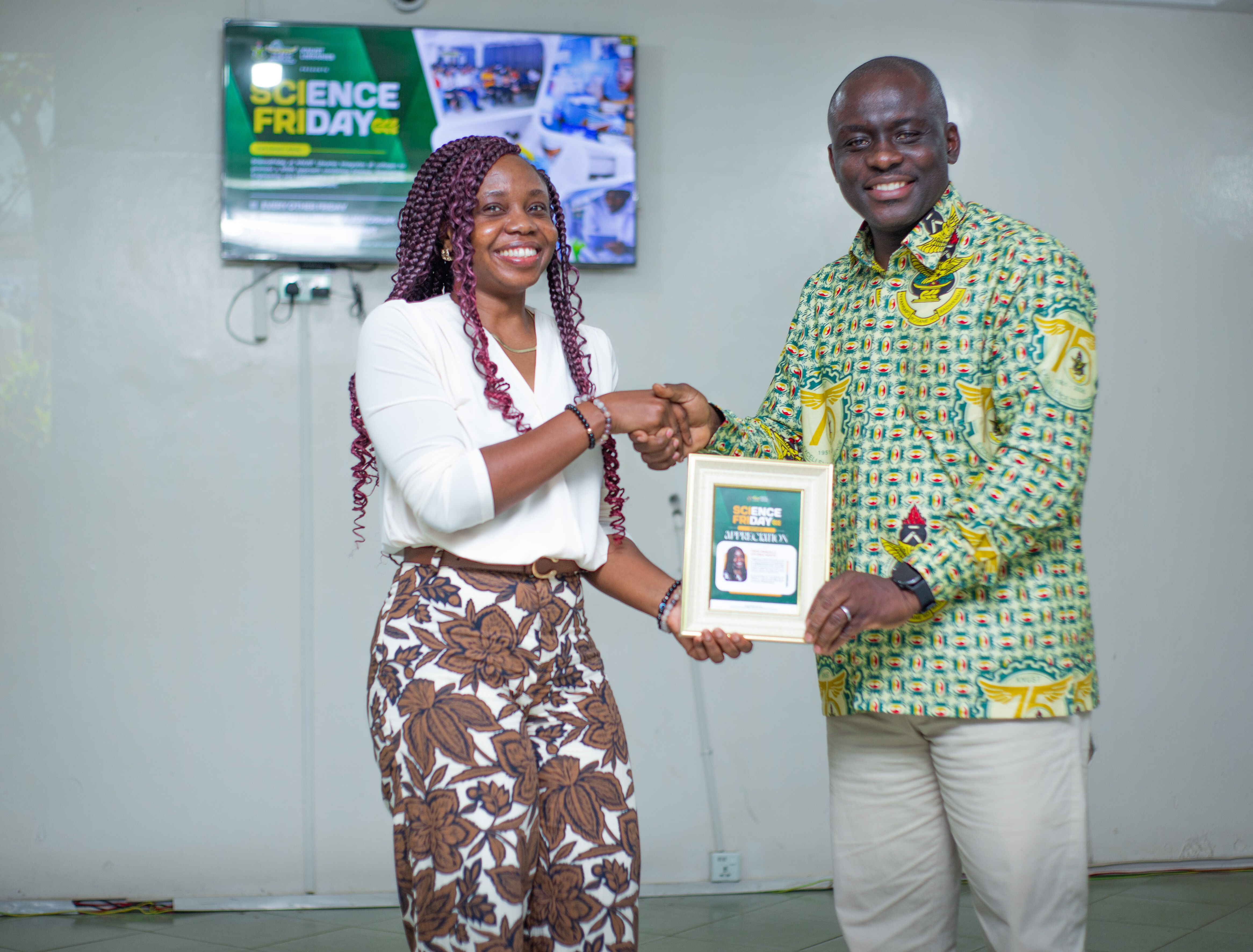
Professor Mante also stressed the importance of education and health literacy in helping people recognise symptoms and make informed decisions about seeking care.
“Schooling is important,” she said, noting that education could improve health literacy and influence health-seeking behaviour.
She said brain health could not be considered in isolation from other parts of the body, highlighting the gut-brain axis, through which the gut and brain communicate via pathways involving the bloodstream, nervous system, immune system, microorganisms and hormones.
Professor Mante said her research team was exploring neurotransmitter signalling, drug development, gut microbes and metabolites, as well as interactions between the immune system and the central nervous system.
She also discussed the potential of traditional medicine as a starting point for scientific research and drug discovery, but cautioned that traditional use alone did not establish the effectiveness of a treatment.
“Traditional use is not indication of efficacy,” she said.
She said knowledge from traditional medicine practitioners could instead provide hypotheses for researchers to test and validate scientifically.
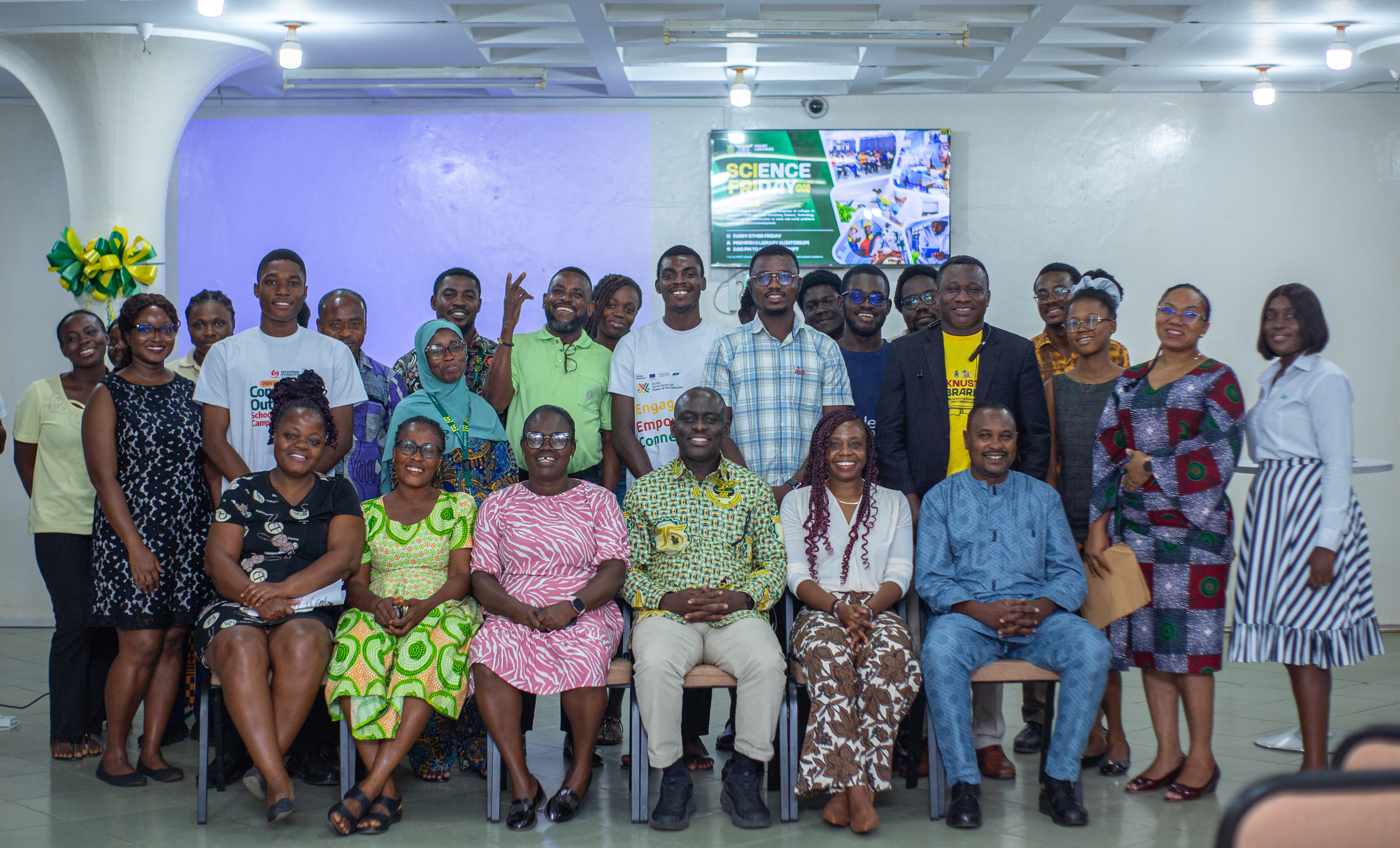
Dr. Richard Bruce Lamptey, University Librarian, said the role of the library extended beyond providing books to supporting learning, knowledge production, preservation and dissemination.
“The library is not only a place for books, I believe. It's a place also to learn, disseminate knowledge, produce knowledge, preserve knowledge, and all that,” he said.
He said the university community had a responsibility to promote knowledge and awareness about health.
“Our brain is central to how we think, how we learn, how we communicate, make decisions and relate to others,” he said.
Dr. Lamptey urged participants to take the conversation beyond Science Friday by promoting understanding and reducing stigma surrounding neurological and mental health conditions.
“Let us replace stigma with understanding, silence with conversation, and prevention,” he said.
He also encouraged members of the university community to support colleagues, students, friends and family members experiencing health challenges and to seek professional help when necessary.
Story: Akosua Konadu Bandoh


